
Eye Infections
What is an eye infection?
An eye infection is a disease of the eye that you get because of a microorganism like a bacterium, a virus or a fungus. The most common eye infection is pink eye (conjunctivitis).
Viruses cause most cases of infection, but bacteria can cause them, too. You can’t treat viral infections with antibiotics. Antibiotics only work on bacterial infections.
Eye infections can happen in one eye or both eyes. Some infections aren’t serious. Others are medical emergencies that can cause vision loss. Eye infections can affect nearly any part of your eye. You can have an infection on your eyelid, your conjunctiva or cornea, or the external parts of your eye.
How common are eye infections?
Eye infections are common. About 1 million people in the U.S. go to their healthcare providers or to hospitals with eye infections each year. Many of these infections happen to people who wear contact lenses.
What are some common eye infections?
- Blepharitis
- Cellulitis
- Dacryocystitis (an infection of your tear sac that can happen when your tear ducts become blocked and can’t drain properly)
- Pink eye
- Endophthalmitis
- Stye
- Uveitis
What are the signs and symptoms of an eye infection?
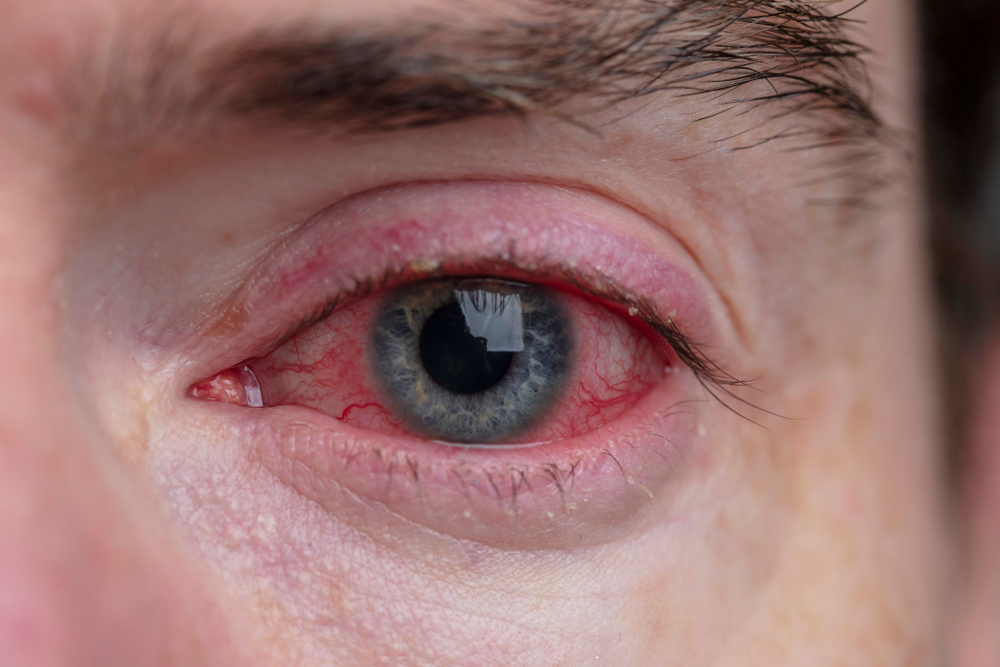
An infected eye may look or feel different than usual. Early signs and symptoms of an eye infection may include:
- Red eyes
- Itching or irritation
- Eye pain
- Watery eyes
- Swelling
Later signs and symptoms of eye infections may include:
- Discharge (yellow, sticky pus) from your eyes
- Eyelashes that stick together because of discharge
- Sensitivity to light (photophobia)
- Blurred vision
- Fever

What causes an eye infection?
You can get eye infections from bacteria, fungi (plural of fungus), parasites or viruses. These small organisms can enter your eyes in many ways, including eye injuries. One of the most common ways to get an eye infection is to sleep in your contact lenses. It’s also common to get an eye infection if you don’t properly clean your lenses.
How is an eye infection diagnosed?
You might be able to tell if you have an eye infection, but it’s best to consult a healthcare provider. They’ll take your medical history, ask you questions about your symptoms and do a thorough eye exam. They may also take a swab of any discharge from your eye to send to a lab for testing.
How is an eye infection treated?
Treatment for eye infections depends on what’s causing your eye infection. It might include anti-infective medication in various forms, such as eye drops, ointments or tablets. It usually takes 24 to 48 hours for antibacterial medications to work.
You may have to let viral or allergic infections clear on their own, but you may be able to make yourself more comfortable with the following home remedies:
- Using damp, warm or cool compresses to make your eyes feel better.
- Using lubricating eye drops (artificial tears).
- Using over-the-counter (OTC) pain relievers.
- Avoiding allergens that caused the reaction in the first place.
What can I expect if I have an eye infection?
Eye infections due to allergies aren’t contagious or dangerous to your sight. You don’t need to avoid other people.
You can spread eye infections due to viruses, bacteria or fungi to other people. You should avoid being around others until you treat your condition.
Some eye infections are dangerous to your vision, such as those due to eye injuries and infections of your cornea. This is why it’s best to contact an eye care specialist to evaluate your eye. They’ll know what’s causing your eye infection and how to treat it effectively.
How can I prevent eye infections?
You may not be able to prevent every eye infection, but you can take steps to reduce your risk. These may include:
- Making sure you follow directions on how to use your contact lenses, how to clean them and how long to wear them.
- Wearing protective eye gear when you work or participate in sports.
- Avoiding allergens that bother your eyes and taking allergy medicine to prevent irritation.
- Avoiding people who may be ill.
- Practicing good hand hygiene.
- Not sharing items, like towels or eye makeup, that touch your eye.
- Throwing out cosmetics if you develop an eye infection so you won’t get reinfected.
© 2026 Tipp Eye Center. All rights Reserved - Accessibility Statement - Privacy Policy - Sitemap
Managed and Designed by 